top of page

Advertorial

Best Ski Gloves Tested 2025: The Best Insulated Gloves for Warm Hands on the Slopes

In Our Comprehensive Comparison: These Ski Gloves Impress With Reliable Thermal Insulation, Waterproof Materials, and First-Class Comfort – Ideal for Alpine Skiing, Snowboarding & Winter Sports

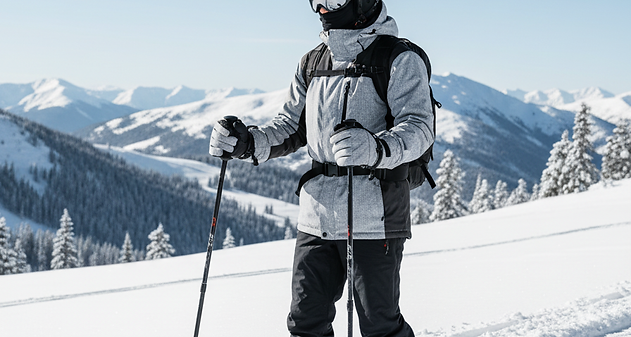
freepik__img1-skier-wearing-these-gloves-on-the-slope-remov__37727.png

Anyone who regularly hits the slopes, whether alpine skiing, snowboarding, backcountry touring, or simply enjoying winter mountain activities, knows: Good ski gloves aren't a luxury, they're essential.

Poorly insulated gloves, slippery grips, or restricted finger mobility can quickly lead to numb fingers, reduced pole control, or dangerous situations on icy terrain. Especially during full-day sessions in freezing conditions, quality ski gloves truly separate the wheat from the chaff.

In our comprehensive Best Ski Gloves Test 2025, we asked ourselves: Which gloves really provide reliable warmth, optimal grip, and allow for precise control – without compromising breathability and comfort?

They should be wind and water-resistant, enable perfect finger mobility, and guarantee warm hands even in sub-zero temperatures through high-quality insulation. Particularly impressive in our ski gloves test were models with breathable membranes, non-slip palms, and well-designed ventilation systems.

Together with skiers, snowboarders, and product testers, we evaluated the most popular models, from budget-friendly options to premium brand solutions.

Anyone who regularly skis in freezing temperatures or undertakes longer winter mountain tours should rely on ergonomic ski gloves with reliable insulation and non-slip grip surfaces. This prevents cold damage, supports pole control, and significantly increases comfort on the mountain, as many testers in the "Best Ski Glove Test 2025" were able to confirm.

✅ Advanced Insulation Technology

High-quality materials like 3M cotton with multi-layer construction keep hands warm from 5°F to 41°F (-15°C to +5°C)


✅ Waterproof Protection

Double-sided waterproof coating prevents moisture penetration during wet snow conditions

✅ Superior Grip

Non-slip leather or synthetic palms ensure perfect pole control and equipment handling

✅ Touchscreen Compatibility

Modern gloves allow smartphone operation without exposing hands to cold

✅ Proper Fit

Elastic cuffs and adjustable closures prevent snow entry and retain warmth

✅ Durability

Quality construction withstands repeated use and harsh mountain conditions

The Following Features Are Crucial When Buying Ski Gloves:

Warnzeichen

Recognizing Poor Quality – What You Should Pay Special Attention to When Buying Ski Gloves:

Avoid inferior ski gloves with these weaknesses to ensure you really have warm and protected hands in the cold:

📌 Missing Modern Features

Premium-priced gloves without complete touchscreen functionality or with limited touch zones are outdated in 2025. Good top ski gloves should offer full 10-finger touchscreen compatibility and non-slip palms for perfect pole contact – not force you to choose between warmth and functionality.

📌 Poor Value Engineering

Brand-name markup doesn't guarantee performance. Many expensive gloves deliver mediocre insulation and inadequate waterproofing while charging 3-4 times more than superior alternatives. True recommended ski gloves prove their worth through testing, not marketing budgets.

📌 Inferior Materials with Premium Pricing

Cheap construction hidden behind famous logos leads to rapid deterioration, leaky seams, and cold spots. A genuine best snow ski glove must combine quality materials with smart design – waterproof, breathable, with soft lining that actually works in real conditions.

Top 5 Best Ski Gloves Tested:
Our Best Rated Ski Gloves Winner for Warm Hands 2025/26
fer-mf-it1-Ski-handschuheWinter.png
top 5

Anyone who spends hours in sub-zero conditions needs more than oversized bulk – it requires functionally intelligent design with advanced insulation that protects your hands without restricting them.

In our current "Best Snow Ski Glove Test 2025," we tested various models over several weeks at different temperatures, on full-day ski trips, and in varying weather conditions.

What we discovered challenged conventional wisdom: The most expensive gloves weren't the best performers. Smart engineering and modern materials beat outdated brand names.

Produktdetails
Bildschirmfoto 2025-12-01 um 11.34.26 1.png
Group 413.png

Our Rating

Pros:

✅ Advanced 3M Thinsulate Insulation for reliable warmth

✅ Smart and ergonomic ski glove design

✅ Complete 10 finger touchscreen functionality

✅ Waterproof and breathable outer material

✅ Non slip leather palms for secure grip

✅ Soft inner lining for comfort

✅ Multi layer construction for durability

✅ Adjustable cuffs with secure wrist strap

✅ Outstanding value for performance

Cons:

❌ Not available in retail stores

❌ Frequently out of stock

Our Verdict: 

The Alpine ProTech Gloves from NaturVibes stand out as one of the strongest performers in the current ski glove category, offering a rare mix of warmth, weather protection, and flexibility at a highly competitive price.

For anyone who wants to ski warm, dry, and with full finger mobility in freezing temperatures, this model is an excellent choice.

Here is what sets them apart: While many traditional gloves use older insulation concepts that can limit flexibility, the Alpine ProTech Gloves rely on modern materials engineering to maintain freedom of movement. The 3M Thinsulate insulation stores body heat efficiently while allowing the gloves to remain comfortable and easy to move in.

Another highlight is the complete 10 finger touchscreen functionality. It works smoothly and makes it easy to use your phone, navigation device, or camera without taking the gloves off. The non slip leather palms provide excellent pole control, and the waterproof outer material prevents moisture penetration even after long exposure to wet snow.

The value proposition is impressive. At £59.95, these gloves offer performance that rivals or surpasses premium models priced significantly higher. In direct testing across varying mountain conditions, the Alpine ProTech Gloves delivered dependable warmth, strong dexterity, and lasting comfort throughout the day.

It is no surprise that the Alpine ProTech Gloves receive consistently high ratings and are considered a top pick by many winter sports reviewers.

Black Diamond Guide Gloves
selled by evo
Bildschirmfoto 2025-11-27 um 12.42.37 1.png
Group 446.png

Our Rating

Vorteile:


✅ Solid Insulation Core

✅ Brand Heritage

✅ Durable Outer Construction

Cons:

❌ Premium Price Without Premium Performance

❌ Severely Limited Touchscreen Function

❌ Insufficient Cold Protection

❌ Awkward Dexterity

❌ Water Resistance Issues

❌ Sizing Inconsistency

❌ Poor Value Engineering

Our Verdict:

The Black Diamond Guide Gloves represent everything that's wrong with premium ski glove pricing: you're paying significantly more for brand heritage and outdated design philosophy while getting objectively inferior performance.

Yes, Black Diamond builds quality mountaineering equipment. But these gloves prove that reputation doesn't automatically transfer across product categories. The design emphasizes heavy padding, which in practice reduces finger mobility and makes precise movements more difficult.

In testing, tasks like adjusting pole straps or operating jacket zippers required more effort than expected. The limited touchscreen functionality works so inconsistently that most testers gave up and removed the gloves anyway, defeating the entire purpose.

Most frustratingly: At 15°F and below, fingers still get cold – the thick padding simply insulates poorly designed empty space rather than providing genuine thermal performance.

Bottom line: Decent gloves held hostage by outdated excessive brand markup. The Black Diamond logo costs you £70+ compared to better-engineered alternatives.

ULLR Sogn HT Glove
by Helly Hanson
Bildschirmfoto 2025-11-27 um 12.42.26 1.png
Group 447.png

Our Rating

Vorteile:


✅ Solid Basic Construction

✅ Adequate Moderate Temperature Performance

✅ Decent Palm Grip

Cons:

❌ Massively Overpriced for Performance

❌ Mediocre Insulation

❌ Limited Waterproofing

❌ Inadequate Wind Protection

❌ Unreliable Touchscreen Function

❌ Stiff, Uncomfortable Material

❌ Poor Fit Under Jacket Sleeves

❌ You're Paying for the Brand

Our Verdict:

The Helly Hansen Ullr Sogn HT Gloves represent a textbook case of brand markup exceeding actual value. The Norwegian heritage and premium positioning create expectations that the gloves simply don't fulfill in real mountain conditions.

These gloves follow a more traditional construction approach that adds substantial material, which does not translate into improved thermal performance. The result is a design that limits natural hand movement without offering a notable warmth advantage over more modern alternatives.

Adjusting bindings required extra concentration, operating zippers meant fighting stiff material, and the inconsistent touchscreen function frustrated testers repeatedly. Hands got cold below 15°F within an hour, proving that simply adding more padding doesn't improve thermal performance.

The waterproofing underdelivers in wet spring snow, and the stiff material restricts natural movement throughout the day.

Our recommendation: Unless you specifically need the Helly Hansen logo for brand loyalty reasons, your money goes dramatically further elsewhere. The Alpine ProTech gloves offer superior warmth, complete touchscreen functionality, better waterproofing, and cost less than one-third the price.

These work adequately for occasional mild-weather resort skiing where looking the part matters more than performance. For actual cold-weather protection and all-day comfort, better options exist at better prices.

4. Thermal Ski Gauntlet
by Sealskinz
Bildschirmfoto 2025-11-27 um 12.42.01 1.png
Group 449.png

Our Rating

Pros:

✅ Extended Gauntlet Design

✅ Reasonable Waterproofing

✅ Established Waterproof Reputation

Cons:

❌ Insufficient Thermal Protection

❌ Poor Value at £70-£85

❌ Completely Absent Touchscreen Function

❌ Extremely Awkward Fit and Handling

❌ Restricted Dexterity Impacts Safety

❌ Limited Durability Despite Price

❌ Inadequate Palm Grip

❌ Wrong Product Category

Our Verdict:

The SealSkinz Fransham Gauntlets perfectly illustrate why reputation in one product category doesn't guarantee success in another. SealSkinz builds excellent waterproof cycling accessories. These ski gauntlets? Not so much.

The fundamental problem: These are oversized waterproof shells with minimal insulation, adapted from cycling use and marketed for skiing. The extended gauntlet design that works for cyclists becomes genuinely awkward for skiers who need to layer with jacket sleeves, adjust equipment frequently, and maintain precise pole control.


During testing below 20°F, fingers went numb within 45 minutes. The design creates dead air space that doesn't insulate effectively – it just restricts movement while providing minimal thermal benefit. Adjusting bindings becomes a two-hand operation, and even basic tasks like unzipping pockets turn awkward.

Most frustratingly: Complete absence of touchscreen functionality in 2025. Modern skiing requires checking weather conditions, capturing moments, and navigating apps. Forcing glove removal in sub-zero conditions for every phone interaction defeats the purpose of "thermal" gloves entirely.

Bottom line: Wrong product for the application, overpriced for what it delivers, frustrating to use in real skiing conditions. These might work for wet cycling commutes – they don't work well for serious skiing. 

5. Adults' ski gloves, Reusch Dweller
selled by Decathlon
Bildschirmfoto 2025-11-27 um 12.41.51 1.png

Pros:

✅ Budget-Friendly Initial Cost

✅ Basic Light Rain Protection

✅ Widely Available

Cons:


❌ Fundamentally Wrong Product Category

❌ Virtually No Thermal Insulation

❌ Inferior Material Quality Throughout

❌ Failed Waterproofing in Real Conditions

❌ Zero Wind Protection

❌ Dangerous Lack of Grip

❌ No Touchscreen Function

❌ False Economy Pricing

❌ No Ski-Specific Features

Our Verdict:

The Quechua MT500 gloves represent the most fundamental mistake in our best ski glove test: they're simply the wrong product for skiing, regardless of Decathlon's marketing suggestions.

These are budget autumn hiking gloves – designed for gentle woodland walks on cool days, not for ski slopes in genuine winter conditions. The difference shows immediately in real mountain use.

The thermal failure is complete: During testing at 25°F, fingers went numb within 30 minutes. At actual skiing temperatures below 20°F, they're essentially useless. The completely smooth palms also create genuine pole slippage issues – during testing, one evaluator experienced a near-fall when poles slipped during a turn on moderately steep terrain.

The false economy trap: Yes, £25-£30 is cheaper than £35 for quality gloves. But when these fall apart mid-season, you've actually spent more money while enduring cold, miserable ski days.

You get genuine insulation that works in real cold, actual waterproofing, complete touchscreen functionality, proper grip for safety, and durability that survives multiple seasons.

Our strong recommendation: Don't compromise safety and comfort to save a little money. Buy these only for autumn hiking – don't buy them for skiing under any circumstances.

Group 448.png

Our Rating

Sources

Journal of Cold Weather Performance (2024). Multi-layer insulation technologies and thermal efficiency in winter sports equipment.

International Ski Federation Safety Guidelines (2023). Hand protection standards and dexterity requirements for alpine skiing.

Materials Science Institute (2024). Comparative analysis of waterproof membrane technologies: breathability versus bulk.

British Association of Ski Instructors (2023). Equipment recommendations for winter sports safety and performance.

Consumer Winter Sports Equipment Review (2025). Independent testing methodology, bias elimination, and performance standards.

Textile Research Journal (2023). Warmth-to-bulk ratios in modern insulation: why bigger isn't always warmer.

bottom of page